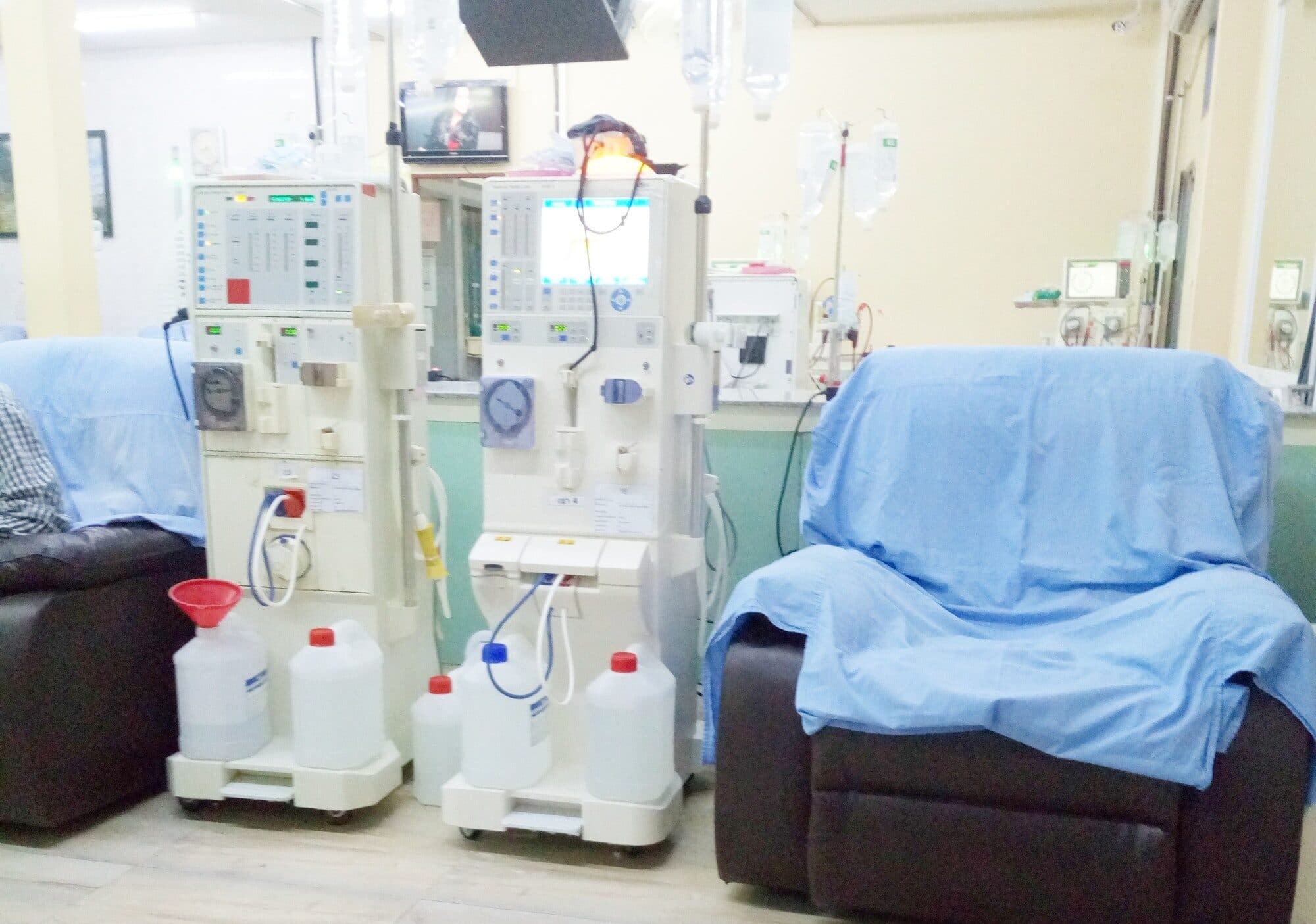
When your kidneys can no longer filter waste products and excess fluid from your blood effectively, dialysis steps in to do the job. It is a life-sustaining treatment for patients with end-stage kidney disease (ESKD) or severe chronic kidney disease (CKD). At Medilife Hospital in Ruiru, our dialysis unit is equipped with high-end Fresenius machines and staffed by qualified renal nurses under the supervision of Dr. Rajesh R. Chaudhary, Consultant Urologist and Renal Transplant Surgeon.
How Dialysis Works
The most common type is hemodialysis, where your blood is pumped through a machine that contains a special filter called a dialyzer. The dialyzer removes waste products, toxins, and excess water from your blood before returning the cleaned blood to your body. Each session typically lasts three to four hours and is usually required three times per week.
Signs That You May Need Dialysis
Your nephrologist or physician will recommend dialysis based on blood tests that measure kidney function. Key indicators include:
A glomerular filtration rate (GFR) below 15 mL/min, which indicates that your kidneys are functioning at less than 15 percent of normal capacity. Elevated levels of creatinine and blood urea nitrogen (BUN) in blood tests. Symptoms such as persistent fatigue, swelling in the legs and ankles, nausea, shortness of breath, and difficulty concentrating.
Not everyone with kidney disease needs dialysis. Many patients manage their condition through medication, dietary changes, and regular monitoring for years before dialysis becomes necessary.
What a Dialysis Session Looks Like at Medilife
When you arrive for your scheduled session, a nurse will check your weight and blood pressure. You will be seated in a comfortable chair at one of our dialysis stations. The nurse will connect you to the Fresenius machine through your vascular access point, which is typically an arteriovenous fistula (AV fistula) created by a surgeon in your arm.
During the session, the machine continuously monitors your blood flow, pressure, and the amount of fluid being removed. Our nurses are present throughout, watching for any changes and adjusting settings as needed. Many patients read, watch content on their phones, or rest during treatment.
After the session, the nurse will disconnect you, check your weight and blood pressure again, and ensure you feel stable before you leave.
Vascular Access
Before starting dialysis, you need a reliable vascular access point. The most common and preferred option is an AV fistula, which is created through a minor surgical procedure. Dr. Rajesh at Medilife Hospital can evaluate your vessels and perform the access surgery. The fistula needs several weeks to mature before it can be used for dialysis, so planning ahead is important.
Diet and Lifestyle During Dialysis
Dialysis patients need to manage their fluid intake, potassium, phosphorus, and sodium consumption carefully. Our team provides dietary counseling to help you understand which foods to limit and which to include. Staying on schedule with your dialysis sessions is critical because missed sessions allow toxins to accumulate.
Renal Transplant as an Alternative
For patients who are candidates, a kidney transplant can provide a long-term solution. Dr. Rajesh R. Chaudhary offers consultation and surgical planning for renal transplant at Medilife Hospital. Transplant evaluation includes blood typing, tissue matching, and a comprehensive health assessment.
Getting Started
If you or a family member has been advised to begin dialysis, contact Medilife Hospital at +254 703 494 444 to schedule an initial assessment with our renal team. We will review your medical history, evaluate your vascular access options, and develop a treatment plan tailored to your needs.
Have Questions?
Contact Medilife Hospital for appointments or medical inquiries.
Call +254 738 494 444